


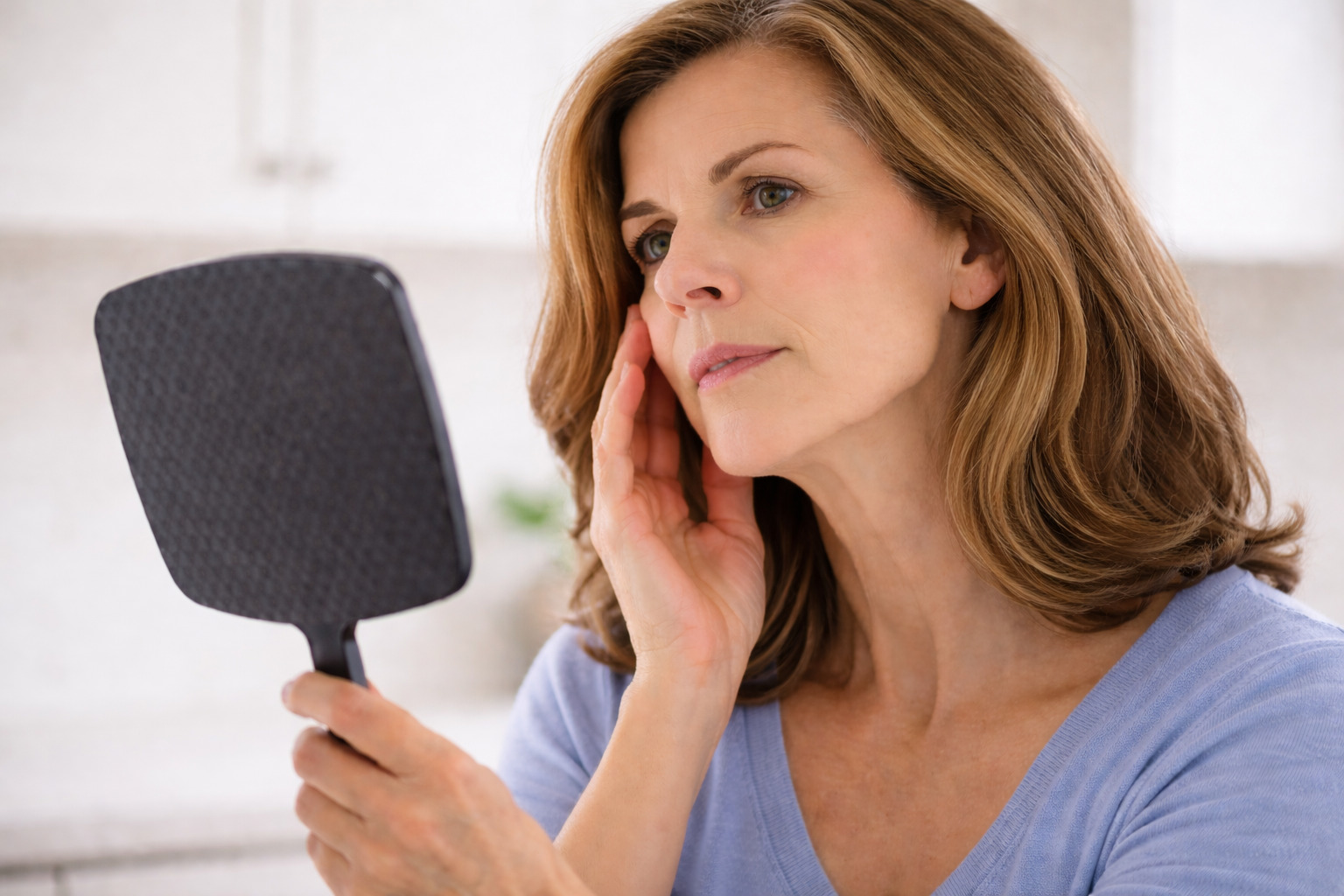
Why facial changes happen and how we restore natural balance
Medications that support weight loss have helped many people feel healthier and more confident. Along with the benefits, however, some patients notice unexpected changes in their faces.
You may have heard the phrase “Ozempic Face.”
While the name has gone viral online, the concept itself is not new. Anytime the body experiences significant weight loss — whether through medication, diet, or lifestyle changes — the face can change as well.
The good news is that these changes are common, understandable, and very treatable.
What Is “Ozempic Face”?
“Ozempic Face” refers to the facial volume loss and skin changes that can occur after rapid or significant weight loss.
Patients often notice:
- A more hollow appearance in the cheeks
- Increased under-eye shadows
- Looser skin around the jawline
- More visible folds around the mouth
- A generally more tired or aged appearance
This can feel surprising, especially when the body feels healthier overall.
Why Weight Loss Changes the Face
Facial fullness is not only fat — it’s a combination of:
- Fat pads
- Collagen
- Elastin
- Bone structure
- Skin thickness
When the body loses weight, facial fat decreases as well. This can lead to reduced support for the skin and underlying structures.
At the same time, natural aging continues:
- Collagen declines
- Skin becomes thinner
- Elasticity decreases
When these processes happen together, the face can look more hollow or less supported.
The Most Common Areas Affected
Cheeks and Midface
Loss of cheek volume is often the first change patients notice. The face may look flatter or more tired, even if the weight loss is desired.
Under-Eye Area
With less midface support, under-eye shadows and hollows may become more visible.
Nasolabial Folds and Smile Lines
As cheek volume decreases, folds around the mouth may appear deeper.
Jawline and Lower Face
Skin laxity may become more noticeable along the jawline or around the mouth.
These changes are expected after weight loss.
The Goal Is Not to “Add Volume Everywhere”
One of the biggest misconceptions is that correction means adding a large amount of filler. Our goal is restoration and balance, not overfilling.
We focus on rebuilding structure gradually and strategically to create natural, refreshed results.
Treatment Options We Often Recommend
Hyaluronic Acid Fillers
Fillers can restore structure and support in areas that have lost volume.
Common treatment areas:
- Cheeks
- Temples
- Jawline
- Smile lines
- Chin
When done thoughtfully, filler can help the face look refreshed and supported without looking overdone.
Biostimulators (Sculptra)
Biostimulators work differently than filler. Instead of adding volume immediately, they stimulate your body to produce new collagen over time.
This helps improve:
- Skin thickness
- Elasticity
- Overall facial support
Results appear gradually and can last longer than traditional fillers, making them an excellent option after weight loss.
Skin Tightening and Laser Treatments
When weight loss is significant, skin quality becomes just as important as volume.
We often incorporate treatments that improve:
- Skin firmness
- Texture
- Elasticity
- Overall skin health
This combination approach creates the most natural results.
Why a Combination Approach Works Best
Facial aging and weight loss affect multiple layers of the face. Treating only one layer rarely creates the most balanced result.
By combining:
- Strategic filler
- Collagen stimulation
- Skin tightening
We can restore support while maintaining natural facial movement and expression.
When Is the Right Time to Treat?
We typically recommend waiting until the weight has stabilized before beginning treatment. This helps ensure long-lasting, predictable results.
Once weight is stable, a personalized plan can be created based on your goals and facial anatomy.
A Personal Note From Our Team
Weight loss is an incredible achievement, and it deserves to be celebrated. If facial changes make you feel less like yourself, you are not alone — and there are thoughtful ways to address it. Our goal is never to change how you look. It’s to help your face reflect how vibrant and healthy you feel.
If you’ve noticed changes after weight loss and are curious about your options, we would be happy to guide you through a personalized consultation.