

If you’ve ever looked in the mirror and thought, “I look more tired than I feel,” you’re not alone. For many people, the first signs of aging don’t show up as deep wrinkles—they show up as subtle changes in expression. Lines that linger longer. A face that looks tense even when you’re relaxed. That’s usually the moment Botox enters the conversation.
But here’s where most people get it wrong: Botox isn’t about freezing your face or chasing perfection. When done right, it’s about softening, balancing, and preserving what already looks good—not changing it.
Let’s break down when to start Botox, how it actually works, and how to make sure your results look natural, not overdone.
Understanding Botox: Prevention vs Correction
Botox is often misunderstood as something you only need once wrinkles are deep and visible. In reality, there are two very different ways to approach it:
Preventative Botox
This is when Botox is used early—before lines become permanent. Think of it as slowing down the formation of wrinkles rather than fixing them later.
Corrective Botox
This is used once lines are already visible at rest (even when your face isn’t moving). At this stage, Botox can soften lines, but may not completely erase them without additional treatments.
The biggest difference? Prevention is easier, more subtle, and often requires less product over time.
When Should You Start Botox?
There isn’t a single “perfect age.” The right time depends more on your facial movement and skin behavior than your birth year.
Early Signs You Might Be Ready:
- Fine lines that appear when you smile or frown
- Lines that start lingering after expressions fade
- A tired or stressed look, even when you feel fine
- Makeup settling into expression lines
For many people, this starts somewhere between their mid-20s and early 30s. But here’s the key: You don’t start Botox because of age—you start because of a pattern.
If your facial expressions are beginning to leave a mark, that’s your signal.
The Biggest Fear: “I Don’t Want to Look Frozen”
Let’s address this directly—because it’s valid. That stiff, overdone look people worry about? It’s not Botox itself. It’s how Botox is used.
When someone looks frozen, it usually comes down to:
- Too much product
- Poor placement
- A one-size-fits-all approach
Natural Botox should never erase your expressions. It should refine them.
You should still be able to:
- Smile naturally
- Raise your brows (just not excessively)
- Show emotion without deep creasing
If your face looks like it can’t move, that’s not good Botox. That’s bad technique.
The Philosophy That Changes Everything
At AVIA Medical Spa, the approach is simple:
You don’t need more. You need the right amount. This mindset is what separates natural results from obvious ones.
Instead of asking, “How many units?” the better question is:
“What does your face actually need?”
Every face is different. Muscle strength, symmetry, and expression patterns all play a role. The goal isn’t to eliminate movement—it’s to guide it.
What Natural Botox Actually Looks Like
Natural results aren’t dramatic. They’re subtle—and that’s the point.
Here’s what you can expect when Botox is done correctly:
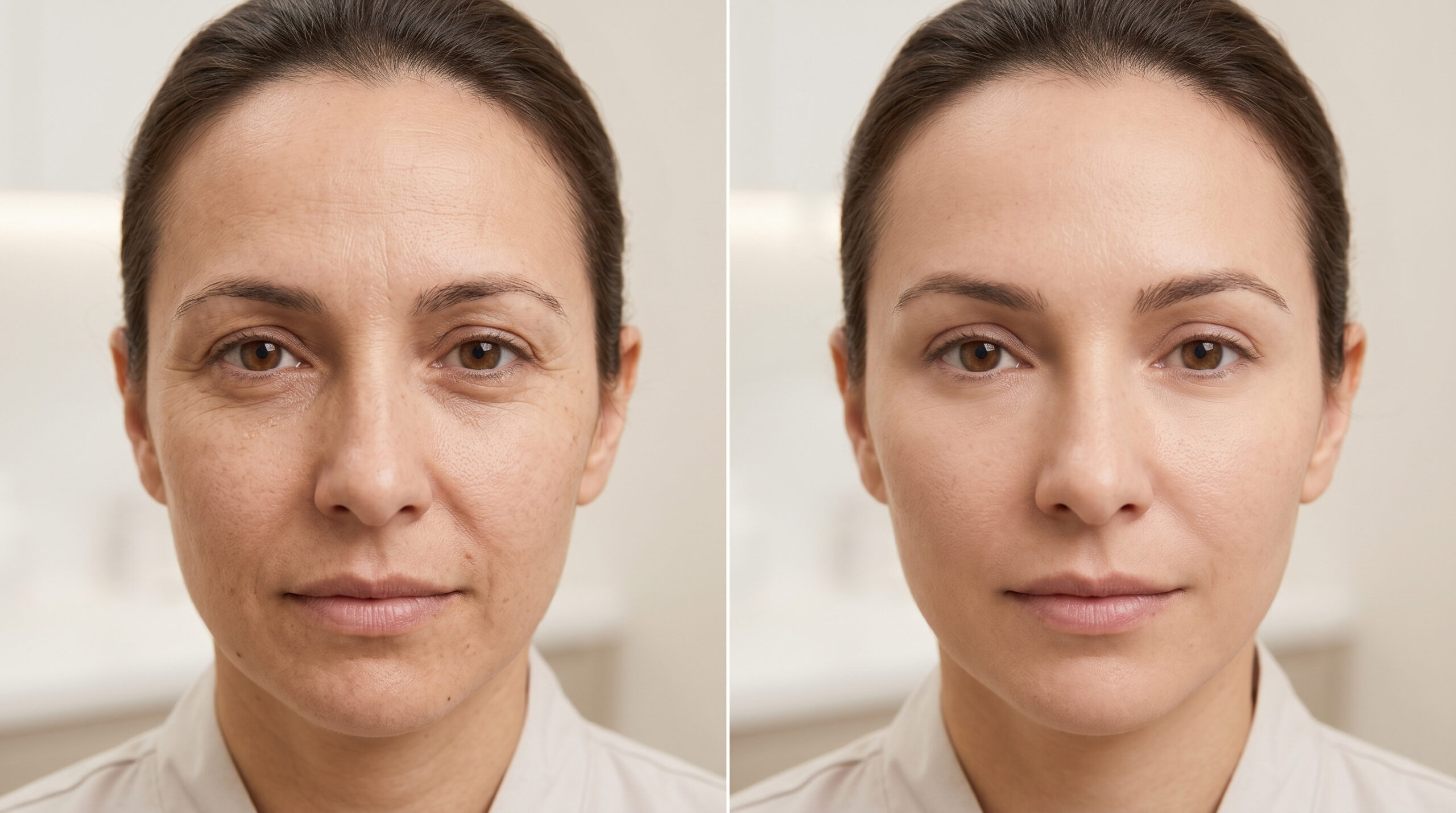
Before:
- Lines deepen when you move your face
- Expressions may look harsh or tired
- Makeup settles into fine lines
After:
- Skin looks smoother at rest
- Expressions appear softer, not restricted
- You look more refreshed—but still like yourself
Most people won’t say, “You got Botox.” They’ll say, “You look well-rested.” That’s the goal.
The key is balance. Treating one area without considering the rest of the face can create an unnatural look. That’s why a full facial assessment matters.
Why Less Is More (Especially in the Beginning)
One of the most common mistakes is trying to do too much too early. Starting with a conservative approach allows you to:
- See how your face responds
- Maintain natural movement
- Adjust gradually over time
You can always add more. But reversing too much Botox? That takes time. A skilled provider will often recommend starting light, then refining at follow-ups.
Botox Isn’t About Changing Your Face
This is where mindset matters.
If you’re looking for a completely different face, Botox isn’t the answer. But if you want to:
- Look more awake
- Smooth early lines
- Maintain your natural features
Then Botox can be one of the most effective tools available. The best results don’t make you look “done.” They make you look like yourself on a really good day.
What to Expect From Your First Treatment
If you’re considering Botox for the first time, here’s a realistic breakdown:
- Treatment time: 10–20 minutes
- Discomfort: Minimal (quick injections)
- Downtime: None
- Results timeline: Start in 3–5 days, full results in 10–14 days
It’s one of the simplest aesthetic treatments available—but again, the outcome depends entirely on who’s performing it.
Final Thoughts
Starting Botox at the right time can help you stay ahead of aging. But the real difference comes from how it’s done.
You don’t need to chase trends or follow what everyone else is doing. You need a plan that fits your face, your goals, and your comfort level.
Because at the end of the day, the best Botox doesn’t stand out. It blends in.
A Personal Note from Our Team
At AVIA Medical SPA, we believe in enhancing what’s already beautiful—not changing it. Every Botox treatment is approached with precision, restraint, and a deep understanding of facial balance.
If you’ve been thinking about Botox but feel unsure, that’s completely normal. The right guidance makes all the difference.
Natural results aren’t about doing more. They’re about doing it right.