


“Why does my skin look more textured than it used to?”
“I still have acne scars even though my breakouts are long gone.”
“My skincare routine is good, but I want smoother skin.”
If you have ever had one of these thoughts, you are not alone.
Fine lines and acne scars are two of the most common skin concerns people want to improve. And while skincare products can support healthy skin, they cannot always address changes that happen deeper within the skin.
This is where microneedling may help.
Microneedling is a minimally invasive skin treatment that uses tiny needles to create controlled micro-injuries in the skin. These small injuries trigger the body’s natural repair process, encouraging collagen and elastin production over time.
The result?
Smoother-looking, firmer, more refined skin.
But does microneedling actually work for fine lines and acne scars? And how many treatments do you need before you see a difference?
Let’s break it down.
How Does Microneedling Work?
Microneedling works by creating thousands of tiny, controlled channels in the skin.
- That might sound intimidating, but the purpose is not to damage your skin. It is to encourage your skin’s natural healing response.
- When the skin detects these controlled micro-injuries, it begins a repair process that includes increased production and remodeling of collagen and elastin—two proteins responsible for much of the skin’s firmness, strength, and elasticity.
- As this process continues, new collagen can help improve the appearance of uneven texture, fine lines, and certain types of acne scars.
This is why microneedling is often called collagen induction therapy.
And unlike a treatment that simply covers a skin concern, microneedling works by encouraging your skin to gradually improve its own structure.
Can Microneedling Really Help Fine Lines?
Yes—but it is important to have realistic expectations.
Fine lines develop for several reasons. As we age, collagen production naturally declines. Repeated facial movements, sun exposure, environmental stressors, and changes in skin elasticity can also contribute to visible lines.
Microneedling can help improve the appearance of mild to moderate fine lines by stimulating collagen remodeling.
Over time, new collagen can provide greater support beneath the skin, helping the surface appear smoother and more refined.
You may notice:
- Softer-looking fine lines
- Smoother skin texture
- Improved firmness
- More even-looking skin
- A brighter, healthier-looking complexion
The goal is not to freeze your face or make every line disappear.
It is to improve the overall quality of your skin.
At AVIA Medical Spa, the focus is on natural-looking improvement—not changing what makes your face yours.
What About Acne Scars?
Acne may eventually disappear, but the marks it leaves behind can remain for years.
- Acne scars develop when inflammation from acne affects the deeper layers of the skin and disrupts normal collagen production. Some scars become depressed, while others create an uneven or textured appearance.
- Microneedling can be particularly useful for certain types of atrophic acne scars, including rolling and some boxcar scars.
- The controlled micro-injuries encourage collagen remodeling in the treated area. As new collagen develops, it can gradually soften the appearance of depressions and create a smoother-looking skin surface.
But acne scars are not all the same. Their depth, shape, location, and underlying structure can all affect how they respond to treatment. This means microneedling is not necessarily a one-treatment solution.
For more noticeable acne scarring, a series of treatments may be recommended, and some patients may benefit from combining microneedling with other procedures.
Why Does Microneedling Take Time to Work?
This is one of the most important things to understand before your first treatment.
Microneedling does not instantly replace damaged collagen.
Instead, it starts a biological process.
- Your skin needs time to heal, remodel, and produce new collagen. Because of this, improvements tend to develop gradually over the weeks following treatment.
- You may notice that your skin looks brighter or refreshed relatively soon after a session, but the deeper benefits take longer to develop.
- For many patients, visible improvement becomes more apparent over several weeks as collagen remodeling continues.
- This gradual process is actually one of the reasons patients like microneedling.
Your results do not have to look dramatic or artificial. Your skin simply starts looking healthier.
How Many Microneedling Treatments Do You Need?
There is no universal number. The number of treatments you need depends on your skin, your goals, and the concern being treated.
- Someone looking to improve overall texture or early fine lines may need a different treatment plan from someone addressing more established acne scarring.
- A series of treatments is commonly recommended because collagen remodeling builds over time.
- Your provider may recommend sessions spaced several weeks apart, allowing your skin adequate time to recover and begin the remodeling process before the next treatment.
- For acne scars, multiple treatments are often necessary because the goal is to gradually improve the underlying texture rather than simply treating the surface.
The important thing is not to chase the fastest possible result. Your skin needs time.
What Happens During a Microneedling Treatment?
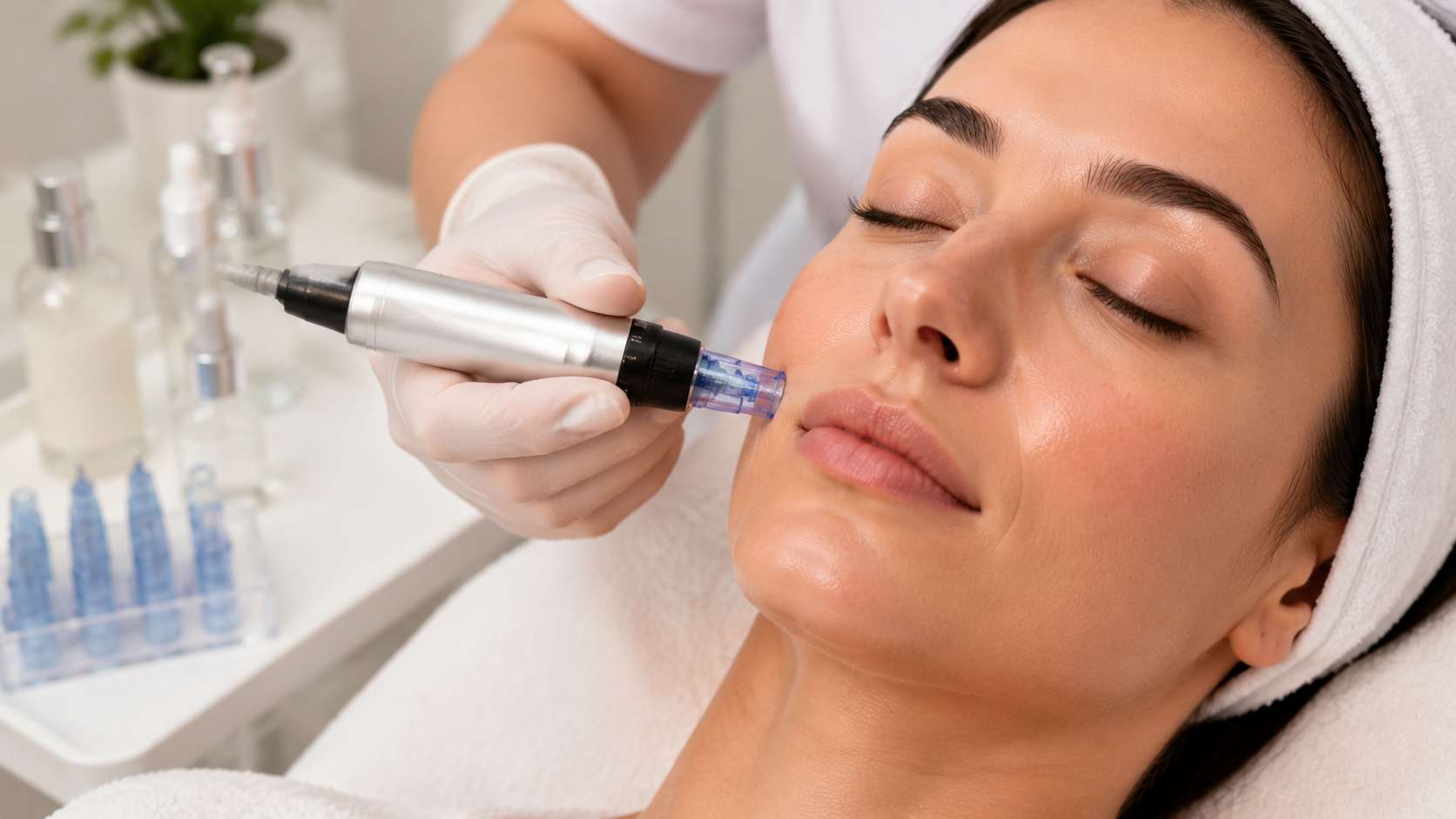
Your treatment begins with an assessment of your skin and a discussion of your goals.
- Your skin is then cleansed, and a topical numbing cream may be applied to improve comfort.
- Once your skin is prepared, the microneedling device is carefully moved across the treatment area. The depth and intensity can be adjusted based on the area being treated and your specific skin concerns.
- You may feel a sensation of light pressure, vibration, or mild prickling.
- Most patients find the treatment manageable, particularly when a topical numbing agent is used.
- Afterward, your skin may appear red and feel warm or sensitive, similar to a mild sunburn.
These temporary effects generally improve over the following days.
What Is Recovery Like?
Microneedling is popular partly because it can provide skin rejuvenation without the longer recovery associated with more aggressive resurfacing procedures.
Immediately following treatment, you may experience:
- Redness
- Mild swelling
- Skin sensitivity
- A warm or tight feeling
- Mild dryness or flaking
Your provider will give you specific post-treatment instructions based on your skin and the treatment performed.
One of the most important parts of recovery is protecting your skin from the sun.
Your skin is more sensitive after treatment, so consistent sun protection is essential. Gentle skincare and avoiding irritating products until your provider says they are appropriate can also help support the healing process.
Can Microneedling Treat More Than Fine Lines and Acne Scars?
Absolutely.
While fine lines and acne scars are two of the most common reasons people choose microneedling, improving collagen production can benefit several aspects of skin quality.
Microneedling may also help improve the appearance of:
- Uneven skin texture
- Enlarged-looking pores
- Mild skin laxity
- Dull-looking skin
- Certain scars
- Uneven tone
The result is not simply about one wrinkle or one scar. It is about improving the overall quality of the skin.
Your complexion may look smoother, more even, and more refreshed.
When Microneedling May Not Be Enough
Microneedling can be an excellent treatment, but it is not the right solution for every skin concern.
- Very deep acne scars, significant skin laxity, deeper wrinkles, active acne, or certain pigmentation concerns may require a different approach.
- Sometimes, a combination treatment plan can produce better results.
- Depending on your skin, your provider may recommend combining microneedling with other aesthetic treatments or medical-grade skincare.
- For example, some patients choose to combine microneedling with PRP, which uses concentrated platelets from your own blood as part of a regenerative treatment approach.
Other patients may benefit from laser treatments, chemical peels, or other procedures.
The right combination depends on what is actually causing the concern—not simply what treatment happens to be popular.
Does Microneedling Hurt?
This is probably one of the first questions people ask.
- The good news is that microneedling is generally well tolerated when performed by a trained professional.
- A topical numbing cream can be applied beforehand to help minimize discomfort.
- During treatment, you may feel a light scratching, vibration, or prickling sensation.
Certain areas can be more sensitive than others, but your provider can adjust the treatment and comfort measures based on your needs.
Is Microneedling Safe?
When performed by a qualified professional using appropriate equipment, microneedling is generally considered a well-tolerated minimally invasive treatment.
- However, like any cosmetic procedure that disrupts the skin barrier, it comes with potential risks.
- Temporary redness, swelling, sensitivity, bruising, and irritation can occur.
- Your provider should also evaluate whether you are an appropriate candidate before treatment.
- This is particularly important if you have active acne, an active skin infection, certain skin conditions, or other factors that may affect healing.
Professional treatment is very different from using an at-home dermaroller without proper training or sterilization.
Your skin deserves precision, hygiene, and a treatment plan designed specifically for you.
How Can You Maintain Your Results?
Microneedling is only one part of maintaining healthy-looking skin.
Your everyday routine matters, too.
To support your results:
- Wear sunscreen every day: UV exposure can contribute to collagen breakdown, pigmentation, and premature skin aging.
- Follow your provider’s skincare recommendations: Medical-grade products may help support your skin before and after treatment.
- Do not pick or irritate your skin: Allow your skin to complete its healing process.
- Stay consistent: Collagen remodeling takes time, and maintaining a treatment schedule recommended by your provider can help support long-term results.
Think of microneedling as part of a long-term skin strategy rather than a quick fix.
Ready to Improve Your Skin?
If fine lines, acne scars, or uneven texture are keeping you from feeling your best about your skin, microneedling may be worth exploring.
Schedule a consultation with AVIA Medical Spa to discuss your concerns and create a personalized treatment plan designed around your skin, your goals, and your lifestyle.
Your skin can change over time. With the right approach, you can help it look smoother, healthier, and more refreshed along the way.