


Introduction
Skin changes can appear differently across the face, neck, and body. You may notice uneven texture on your cheeks, fine lines around your mouth, or reduced firmness along your neck. On the body, changes in skin quality may become more noticeable with aging or fluctuations in weight.
Morpheus8 combines microneedling with radiofrequency energy to address selected concerns involving skin texture and laxity. Understanding how it works, where it can be used, and what its limitations are can help you make an informed decision.
This guide explains the differences between face, neck, and body treatment, along with the questions to ask before proceeding.
What Is Morpheus8, and How Does It Work?
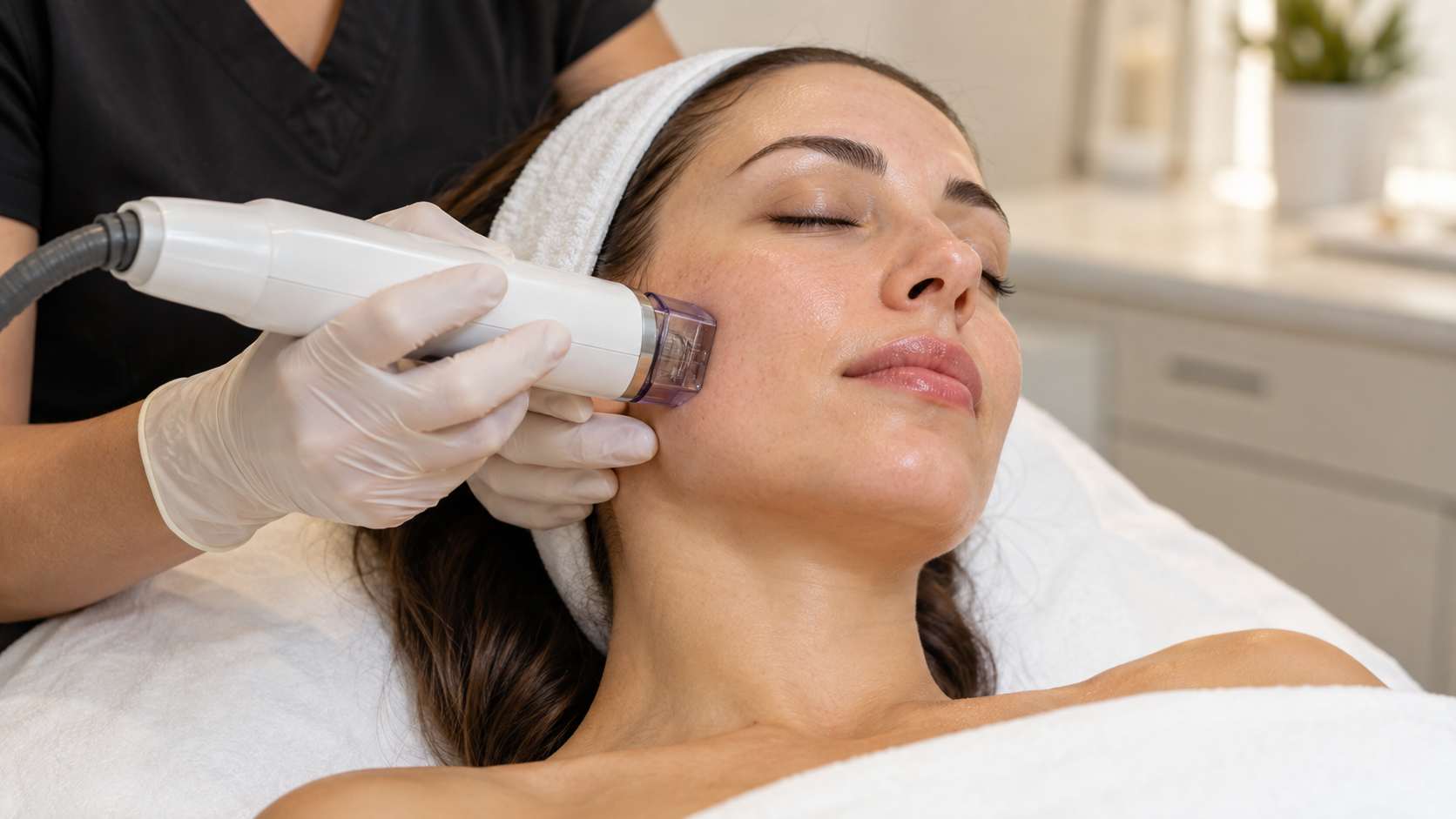
Morpheus8 is a radiofrequency microneedling device. Small needles enter the skin and deliver controlled heat at selected depths. The treatment creates a tissue response that can support collagen remodeling over time.
Collagen is a structural protein that helps maintain skin firmness. As skin ages, changes in its supporting structure can contribute to wrinkles and laxity. Morpheus8 aims to improve selected concerns by treating tissue beneath the surface.
The depth and energy settings require individual adjustment. A treatment plan for facial acne scars may differ from one for neck laxity or a larger body area. The provider’s assessment helps determine whether treatment is appropriate and how it should be performed.
What Concerns Can Morpheus8 Address on the Face?
Facial Morpheus8 treatment may be considered for uneven texture, acne scarring, fine lines, and mild skin laxity. Areas commonly discussed include the cheeks, lower face, and jawline.
These concerns do not all have the same cause. Acne scars can vary in depth and shape, while facial aging may involve changes in skin, fat, and underlying support. A careful evaluation helps identify which changes treatment could reasonably address.
Morpheus8 does not correct every type of scar or replace every procedure for facial aging. Some concerns may respond better to another treatment or a combination of approaches.
At AVIA Medical Spa, facial Morpheus8 treatment is offered for concerns including acne scars and skin laxity. Your consultation should establish a specific goal rather than a general promise of younger-looking skin.
How Is Morpheus8 Used on the Neck?
The neck can develop fine lines, crepey texture, and reduced firmness. Although these changes may appear alongside facial aging, the neck requires a separate assessment.
- Skin thickness and underlying anatomy influence how treatment should be planned. Your provider should explain whether the main concern involves skin quality, loose skin, or another structural change.
- Morpheus8 may be considered for selected neck concerns, but more pronounced laxity may require a different approach. Treating the face and neck together can be discussed when concerns extend across both areas.
The expected outcome should be explained for each area individually. Improvement in facial texture does not necessarily mean the neck will respond in exactly the same way.
Can Morpheus8 Be Used on the Body?
Morpheus8 body treatment configurations are designed for larger areas and different tissue depths. Body treatment may be discussed for selected concerns involving texture and skin laxity.
- A body assessment should consider the amount of loose skin, skin thickness, underlying tissue, and the size of the treatment area. These factors can influence suitability and the treatment plan.
- It is also important to define what you want to change. Improving skin quality is different from reducing body weight or removing substantial excess skin. Morpheus8 should not be presented as a weight-loss treatment.
Ask your provider to explain the proposed treatment’s purpose, its limits, and whether another option would be more appropriate for your concern.
Who Should Consider a Morpheus8 Consultation?
A consultation may be useful if you are concerned about skin texture, acne scars, fine lines, or mild laxity and want to understand your options.
- Suitability cannot be determined from appearance alone. Your provider needs to review your medical history, medications, current skin conditions, and previous procedures.
- Share any history of unusual scarring, healing problems, or reactions to cosmetic treatments.
- Be specific about your expectations. Bringing attention to one concern, such as cheek scarring or neck texture, makes it easier to discuss a realistic outcome.
A consultation should also cover alternatives. The most suitable treatment is the one that fits your concern and health history, even when that means choosing something other than Morpheus8.
What Happens Before and During Treatment?
Before proceeding, your provider should explain the treatment area, planned approach, possible discomfort, recovery expectations, and risks. You should have an opportunity to ask questions before giving consent.
- Preparation instructions may vary. Ask whether you need to adjust your skincare routine, avoid particular products, or discuss any medications with the prescribing clinician. Do not stop prescribed medication without appropriate medical advice.
- During treatment, the provider applies the device to the planned areas using selected settings. The experience and appointment length depend on the area and treatment approach.
Ask how discomfort will be managed and who will perform the procedure. Understanding these details beforehand helps you prepare and assess whether you feel comfortable proceeding.
What Should You Expect During Recovery?
Recovery varies according to the treatment area, settings, and individual response. Your provider should describe the expected skin changes and give clear aftercare instructions.
- Discuss practical questions before scheduling. When can you apply makeup? Which skincare products should you use? When can you return to exercise and other activities? The answers should reflect your particular treatment.
- Follow the instructions you receive rather than relying on a general recovery timeline online. Avoid introducing products or additional procedures without checking with your provider.
You should also know whom to contact if symptoms are unexpected or worsening. Clear follow-up arrangements are an important part of treatment planning.
How Many Sessions Will You Need, and When Should Results Be Reviewed?
- There is no single treatment schedule for everyone. The number of sessions depends on your starting concern, treatment area, settings, and response.
- Collagen remodeling develops over time, so immediate appearance alone does not provide a complete picture of the outcome. Ask when your provider expects to assess progress and how that assessment will be made.
Photographs taken under consistent conditions can make follow-up discussions more useful. Before committing to additional sessions, review whether the treatment is producing the intended improvement and whether the plan needs adjustment.
Personal Note from Our Team
Start with a clear description of what you want to improve. Then ask about suitability, alternatives, recovery, risks, and realistic results.
A consultation at AVIA Medical Spa can help you understand whether Morpheus8 is appropriate for your face, neck, or body. The goal is a treatment decision based on your individual needs and a clear understanding of what the procedure can achieve.