


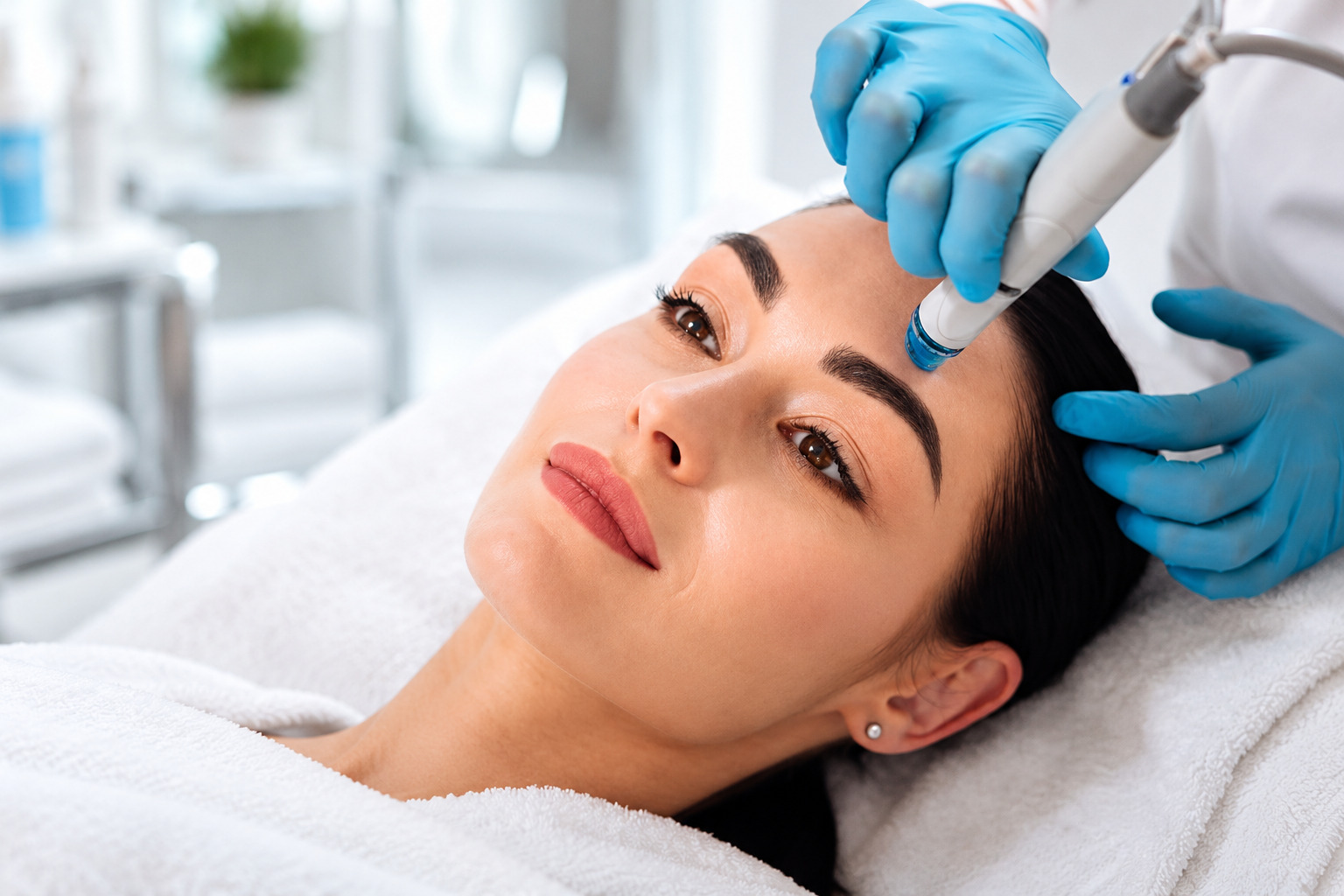
A HydraFacial may be an option if you have sensitive skin and your skin is calm on the day of treatment. If you have an active rash, sunburn, or a flare of eczema or rosacea, check with your provider before going ahead. How your skin feels today matters as much as how it usually behaves.
Maybe your cheeks flush after a hot shower, or a new serum leaves your face stinging. Those details are more useful to your provider than simply saying you have sensitive skin. If you’re considering a HydraFacial in Carrollton, here’s what to share before your visit, what you can ask to adjust, and when it makes sense to wait.
What Does a HydraFacial Involve?
A HydraFacial combines cleansing, exfoliation, suction-assisted extractions, and the application of hydrating products. The exact products and steps depend on the treatment you choose and what your provider recommends.
For reactive skin, the details matter. You might tolerate your usual moisturizer without any trouble but sting when you use an exfoliating acid. Or you might be comfortable with suction around your nose but find the same sensation uncomfortable on your cheeks. Ask your provider to walk you through the products and steps before the session begins.
How Can You Tell if Your Skin Is Too Irritated for a Facial?
Think about what has changed recently. If your cheeks have always flushed easily but feel comfortable today, that’s a different starting point from skin that began burning after you tried a new exfoliant last night. Mention any recent changes, even if they seem minor.
- Skin that is calm today: Share your usual triggers and ask whether the facial can be adapted to your skin.
- Skin that suddenly stings or feels raw: Contact the clinic before your appointment, especially if even familiar products are uncomfortable.
- Skin with an active rash, sunburn, open areas, or a flare: Ask whether to postpone treatment. If the cause is unclear or the symptoms keep returning, seek advice from a dermatologist.
Can You Get a HydraFacial if You Have Rosacea or Eczema?
Tell your provider if you have rosacea or eczema, including when you last had a flare and which products or treatments tend to aggravate it.
- If you’re currently flaring, speak with your dermatologist before adding an exfoliating facial to your routine.
- A HydraFacial is a cosmetic service. If your main concern is recurring flushing, itching, or a rash, finding out what’s causing those symptoms is a more useful first step than choosing a facial package.
Which Steps Can You Ask Your Provider to Adjust?
Start with the part of the treatment that concerns you most. If you’ve reacted to exfoliating acids, ask which solution would be used and whether that step can be modified or omitted. If your cheeks are more reactive than your nose, ask how the provider would approach those areas differently.
- Exfoliation: Ask which products are planned and flag any ingredients you’ve reacted to before.
- Extractions: Ask whether suction can be reduced or avoided in areas that tend to become irritated.
- Boosters: Ask what an optional booster adds and whether you can leave it out of your first session.
- Finishing products: Review the products that will stay on your skin, especially if you have a known ingredient allergy.
If your main goal is hydration and you’d rather avoid exfoliation or extractions, ask about other facial services at AVIA Medical Spa. Comparing the steps can help you choose a visit that suits both your goal and your skin’s tolerance.
Should You Choose Signature, Deluxe, or Platinum HydraFacial?
Compare what’s included in each option and ask which steps are optional. A longer appointment or additional booster may sound appealing, but the deciding factor is whether each step serves your goal and is appropriate for your skin.
For example, if you mainly want to address dry-feeling cheeks, ask whether a simpler session makes sense. If you also want extractions around your nose, explain that your cheeks react differently so your provider can discuss what to do in each area.
What Should You Tell Your Provider Before Your Appointment?
Bring a list or photos of your skincare products, especially prescription creams, retinoids, exfoliating acids, and acne treatments.
- Mention recent waxing, peels, laser treatments, or other procedures on the same area. If a product caused a reaction, describe what happened and how long it lasted.
- Ask whether any products should be paused before the facial and when to restart them.
If you use prescription skincare, check with your prescribing clinician before changing how you use it. Let the clinic know if your skin becomes irritated between booking and the appointment.
What Should You Feel During and After a HydraFacial?
You may notice the tip moving across your skin or a pulling sensation during suction. Tell your provider right away if a step causes burning, strong stinging, or pain. They can stop and reassess before continuing.
- Before you leave, ask what skin changes to expect and when you can return to your usual routine.
- Follow the aftercare instructions you receive, and avoid testing new products while your skin feels reactive.
- Contact the clinic if irritation worsens or lasts longer than your provider advised.
Should You Book Your First HydraFacial Right Before an Event?
If your skin reacts unpredictably, give yourself time to see how it responds before a wedding, photo session, or important meeting. Tell your provider your event date and how your skin has reacted after previous facials. They can help you decide whether to book ahead or wait until after the event.
Is HydraFacial Right for Your Sensitive Skin?
Start with three details: how your skin feels today, what tends to trigger a reaction, and what you want the facial to accomplish. Those answers can help your provider recommend a modified HydraFacial, suggest another option, or advise you to wait.
Request a consultation at AVIA Medical Spa in Carrollton to review your skincare routine and discuss which facial options fit your skin.