


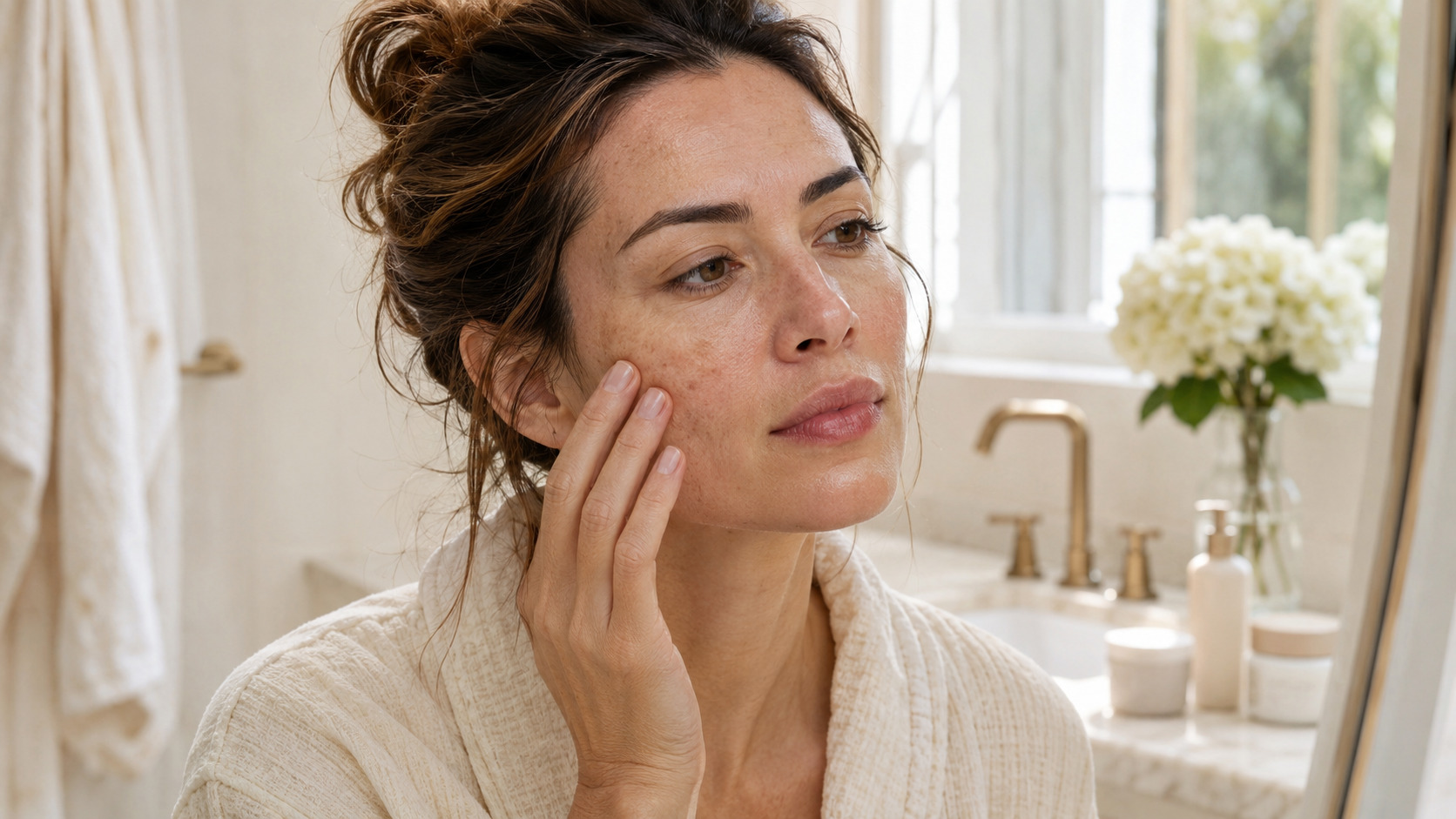
Dull skin can persist despite regular exfoliation because surface buildup is only one possible cause. Dryness, irritation, uneven pigmentation, and an overly aggressive skincare routine can also affect how your complexion looks. Adding another scrub or stronger acid may leave your skin feeling worse rather than looking brighter.
If you exfoliate consistently but still notice rough patches, a tired appearance, or makeup that sits unevenly, look at your whole routine. What happens after cleansing? Does moisturizer make your skin feel comfortable? Have you recently added several active products?
At AVIA Medical Spa, a consultation can help you review these details before choosing among our facial services in Carrollton. The starting point is understanding what your skin needs, rather than assuming it needs more exfoliation.
What Does Dull Skin Actually Mean?
“Dull” describes an appearance rather than a diagnosis. One person may use it to describe dry, flaky cheeks. Another may mean uneven color, lingering acne marks, or skin that looks less smooth under makeup.
Before changing products, identify what you see and feel:
- Roughness: Your skin feels uneven when you gently run your fingers across it.
- Dryness: You notice flaking, tightness, or discomfort after washing.
- Uneven color: Dark marks, redness, or patches make your complexion look less uniform.
- Makeup changes: Foundation clings to patches or settles into fine lines more than usual.
These concerns can overlap, but they do not all respond to the same approach.
Could You Be Exfoliating Too Often?
Frequent exfoliation can irritate the skin, especially when you combine several products that exfoliate or increase sensitivity.
- A scrub, an acid toner, and a retinol product may each seem manageable on their own, while the combined routine becomes difficult to tolerate.
- Look for a pattern between product use and symptoms. If your face feels tight after exfoliating, becomes unusually red, or starts stinging when you apply familiar products, stop adding more exfoliation and seek advice.
How often you should exfoliate depends on the method, product strength, and your skin’s response. A schedule that works for someone else may be too much for you.
Is Dryness Making Your Complexion Look Less Smooth?
Dry skin can feel rough and develop fine flakes that become especially noticeable beneath makeup. It is easy to mistake those flakes for a signal to scrub harder.
- However, exfoliating already dry or irritated skin may increase discomfort. Consider what happens after washing: if your cheeks feel tight until you apply moisturizer, your cleansing and moisturizing routine deserves attention.
- Hot water, harsh cleansers, and dry indoor air may contribute to the problem. Gentle cleansing and an appropriate moisturizer may be more useful than another exfoliating step.
Drinking enough fluid supports general health, but drinking extra water alone should not be expected to resolve persistently dry skin.
Could Your Skin Barrier Need Attention?
Your outer skin layer helps retain moisture and protect against external irritants. When that barrier is disrupted, your skin may become more reactive and less comfortable.
Over-cleansing, repeated scrubbing, and layering irritating products can contribute. You may notice that a routine you previously tolerated now causes stinging or visible redness.
Rather than covering the problem with additional “brightening” products, review what changed. Did you start a new cleanser, increase exfoliation, or add an acne treatment? Bring those details to your provider.
If you have a rash, persistent burning, or painful cracking, seek medical assessment before booking an exfoliating facial.
Can Oily Skin Still Feel Dry or Dehydrated?
A shiny forehead does not mean every part of your face needs stronger cleansing. You may have an oily T-zone alongside dry cheeks, or notice surface shine while your skin still feels tight.
Treating the whole face as if it has the same needs can make the dry areas more uncomfortable. For example, repeatedly using an oil-control cleanser and exfoliant across your cheeks may add irritation without improving the concern around your nose.
Describe the differences between areas during your consultation. Your routine may need adjustments rather than a complete replacement.
Could Uneven Pigmentation Be the Main Concern?
If your skin feels smooth but still looks uneven, the concern may involve color rather than surface texture. Post-acne marks, sun-related spots, and redness can all influence how bright or uniform your complexion appears.
Scrubbing harder is unlikely to address every cause of discoloration. Aggressive exfoliation can also provoke irritation and, in some people, lead to additional dark marks.
Ask your provider to identify the likely cause before recommending a facial, peel, or another procedure. A new, changing, or unusual spot should receive medical evaluation rather than cosmetic treatment first.
Would a Professional Facial Help?
A professional facial may be worth discussing when your goal is a temporary refresh, improved skin comfort, or a smoother-feeling surface. It should follow an assessment of your current skin condition and home routine.
For example, you can ask about Glo2Facial at AVIA Medical Spa if dullness and hydration are your main concerns. Tell your provider what you already use so professional exfoliation can be considered alongside your at-home products.
A facial is not automatically appropriate when skin is actively irritated. Your provider may recommend waiting, simplifying your routine, or seeking dermatology advice before proceeding.
What Should You Review Before Buying Another Product?
Write down every product you use over a typical week, including occasional masks, cleansing brushes, spot treatments, and exfoliating pads. Products used only once or twice a week can still affect the overall routine.
Then review these questions:
- Are you doubling up? Check whether several products contain exfoliating ingredients.
- Does cleansing leave you uncomfortable? Note tightness, stinging, or flaking afterward.
- Are you moisturizing consistently? Consider whether your current product leaves your skin comfortable.
- Are you protecting your skin outdoors? Sun protection belongs in a routine aimed at maintaining more even-looking skin.
- Did the problem start after a change? Record when you introduced a product or increased its frequency.
Avoid changing everything at once. It becomes harder to identify what helps or causes a reaction. If prescription skincare is involved, ask your prescribing clinician before adjusting its use.
How Can You Assess Improvement Without Chasing an Instant Glow?
Pay attention to comfort as well as appearance. Less tightness after washing, fewer flaky patches, and reduced stinging are useful changes to discuss with your provider.
If you take photographs, use similar lighting and avoid filters. A picture taken beside a bright window can look very different from one taken under overhead bathroom lights, even when your skin has not changed.
Ask how long to follow an adjusted routine before reassessing. Persistent dryness, recurring irritation, or unexplained discoloration may need a dermatologist’s evaluation rather than another cosmetic product.
Ready to Understand What Your Skin Needs?
If exfoliating regularly has not improved your complexion, the next step is a closer look at the cause. Your skin may need a gentler routine, better moisture support, assessment of uneven pigmentation, or a carefully selected professional treatment.
Request a consultation at AVIA Medical Spa in Carrollton to review your routine and discuss suitable options for dull-looking skin.